Water for peace
Water can create peace or spark conflict.
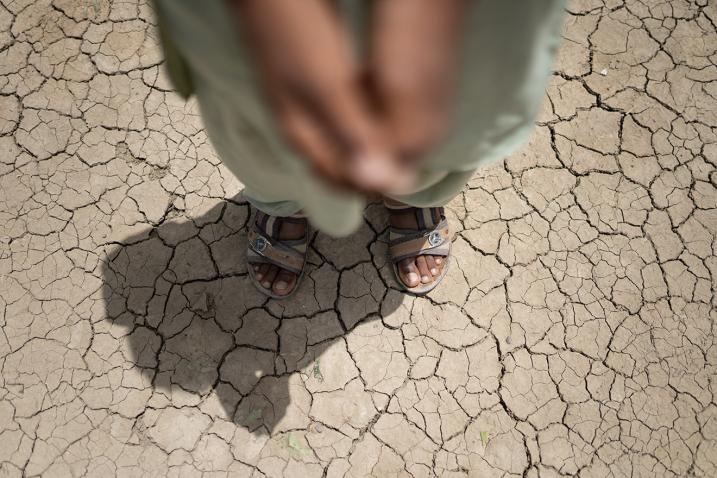
When water is scarce or polluted, or when people have unequal, or no access, tensions can rise between communities and countries.
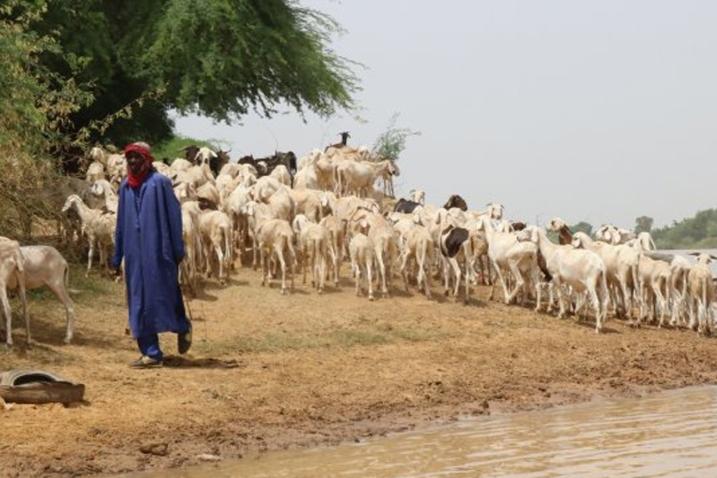
More than 3 billion people worldwide depend on water that crosses national borders. Yet, only 24 countries have cooperation agreements for all their shared water.
As climate change impacts increase, and populations grow, there is an urgent need, within and between countries, to unite around protecting and conserving our most precious resource.
Public health and prosperity, food and energy systems, economic productivity and environmental integrity all rely on a well-functioning and equitably managed water cycle.
Creating a positive ripple effect
The theme of World Water Day 2024 is ‘Water for Peace’.
When we cooperate on water, we create a positive ripple effect – fostering harmony, generating prosperity and building resilience to shared challenges.
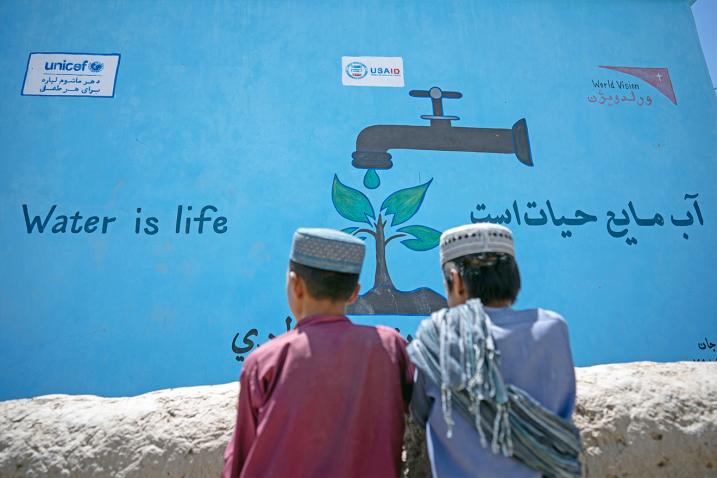
We must act upon the realization that water is not only a resource to be used and competed over – it is a human right, intrinsic to every aspect of life.
This World Water Day, we all need to unite around water and use water for peace, laying the foundations of a more stable and prosperous tomorrow.
Play your part!
Be part of the global campaign on ‘Water for Peace’. We need everyone – from individuals and families to companies and governments – to do what they can to cooperate on water and pave the way for a more harmonious society. Download resources to get involved this World Water Day and find out more about the connection between water and peace.
Key messages for World Water Day 2024
- Water can create peace or spark conflict. When water is scarce or polluted, or when people struggle for access, tensions can rise. By cooperating on water, we can balance everyone’s water needs and help stabilize the world.
- Prosperity and peace rely on water. As nations manage climate change, mass migration and political unrest, they must put water cooperation at the heart of their plans.
- Water can lead us out of crisis. We can foster harmony between communities and countries by uniting around the fair and sustainable use of water – from United Nations conventions at the international level, to actions at the local level.
Did you know?
- 2.2 billion still live without safely managed drinking water, including 115 million people who drink surface water. (WHO/UNICEF, 2023)
- Water-related disasters have dominated the list of disasters over the past 50 years and account for 70 per cent of all deaths related to natural disasters (World Bank, 2022).
- Transboundary waters account for 60 per cent of the world’s freshwater flows, and 153 countries have territory within at least 1 of the 310 transboundary river and lake basins and inventoried 468 transboundary aquifer systems (UN-Water, 2023).
Previous World Water Day themes
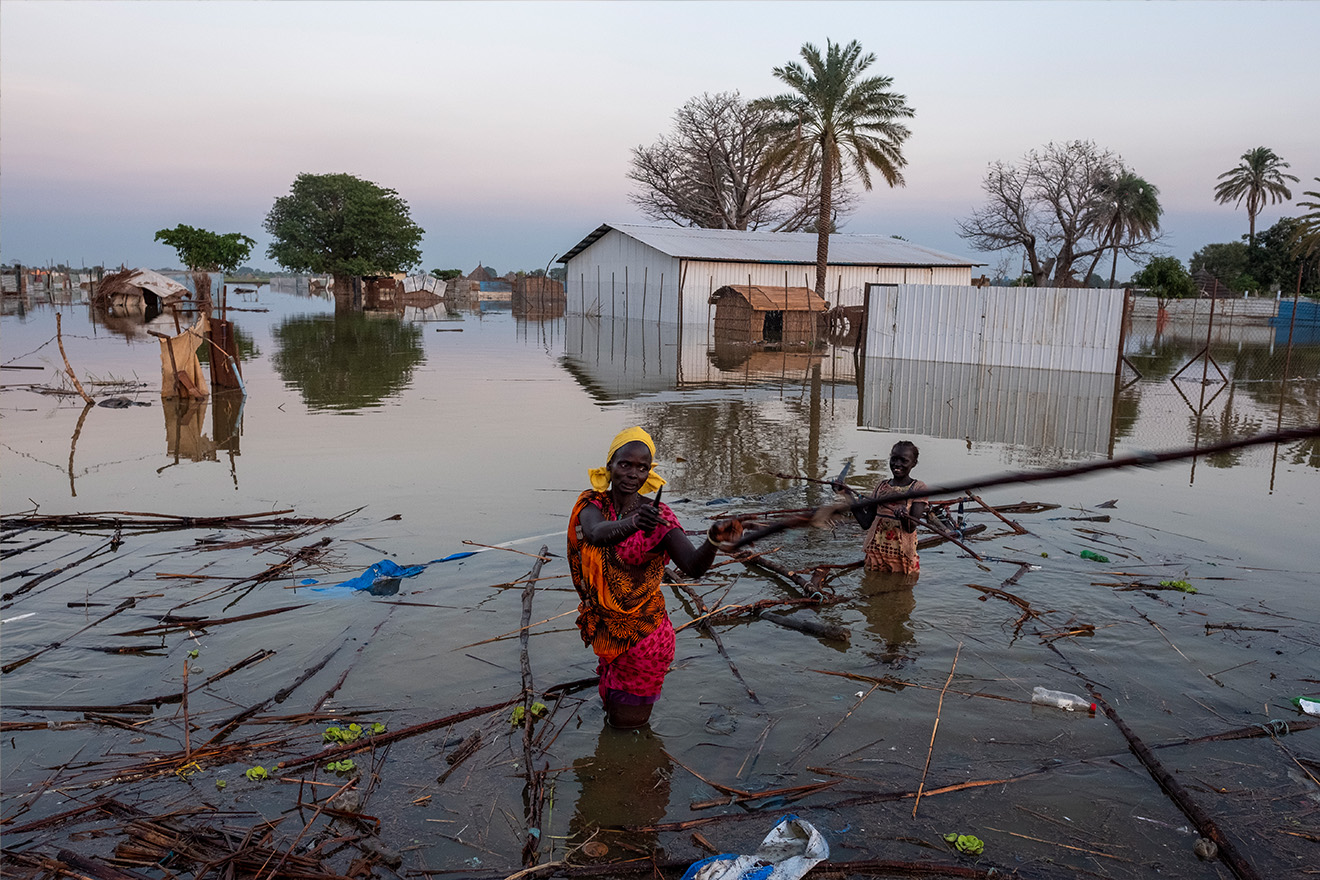
Explore the UN-Water archive of World Water Day resources going back to 1994, covering an array of themes, from water and cities, health, culture, livelihoods, food, energy, disasters and much more.
WASH for Peace
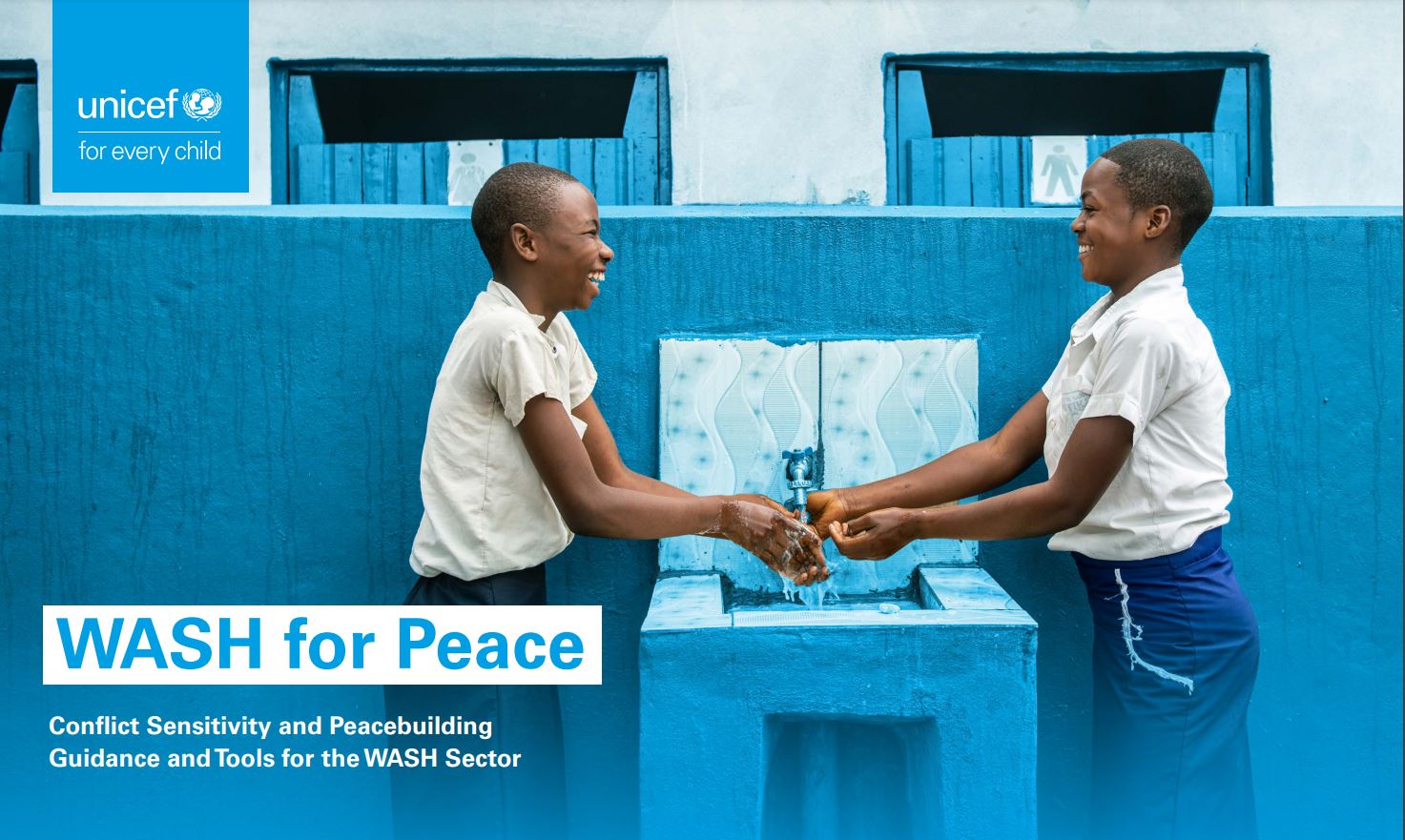
On the World Water Day 2024 theme ‘Water for Peace’, UNICEF is launching its WASH for Peace guidance and tools to help save lives and bring stability to conflict and fragile zones through water, sanitation and hygiene programmes.